Constant exposure to moist soil conditions can be highly destructive to buildings and homes. The moisture can be absorbed into the foundations and structural walls through capillary action, creating damp conditions indoors. This can lead to mold growth, which can cause serious health problems for occupants.
Repairing the visible damage caused by damp is only treating the symptoms, not the cause. Temporary cosmetic fixes such as waterproofing, plastering, and painting will not solve the problem. The moisture will eventually return, even after costly repairs.
The SDS approach to damp is a permanent solution that removes the moisture from the soil and creates dry, safe conditions for the building structure. This reduces the risk of property damage from long-term exposure to damp/moisture conditions.
How SDS Works
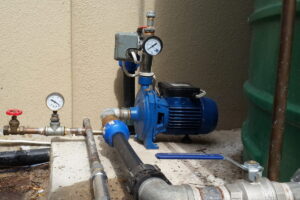
The SDS approach uses a series of strategically placed holes to create a pressure gradient in the soil. This forces the moisture out of the soil and into a collection system. The moisture is then pumped away from the building, preventing it from being reabsorbed into the foundations and walls.
The SDS approach is non-invasive and environmentally friendly. It does not require the use of chemicals or other harmful substances. It is also a relatively quick and easy process to install, with minimal disruption to the building.
Benefits of the SDS Approach
The SDS approach to damp offers a number of benefits, including:
- Permanent solution to damp problems
- Reduces the risk of property damage
- Improves indoor air quality
- Reduces heating costs
- Increases the value of your property
If you are experiencing damp problems in your home or building, the SDS approach is a permanent and effective solution.